Skip to content
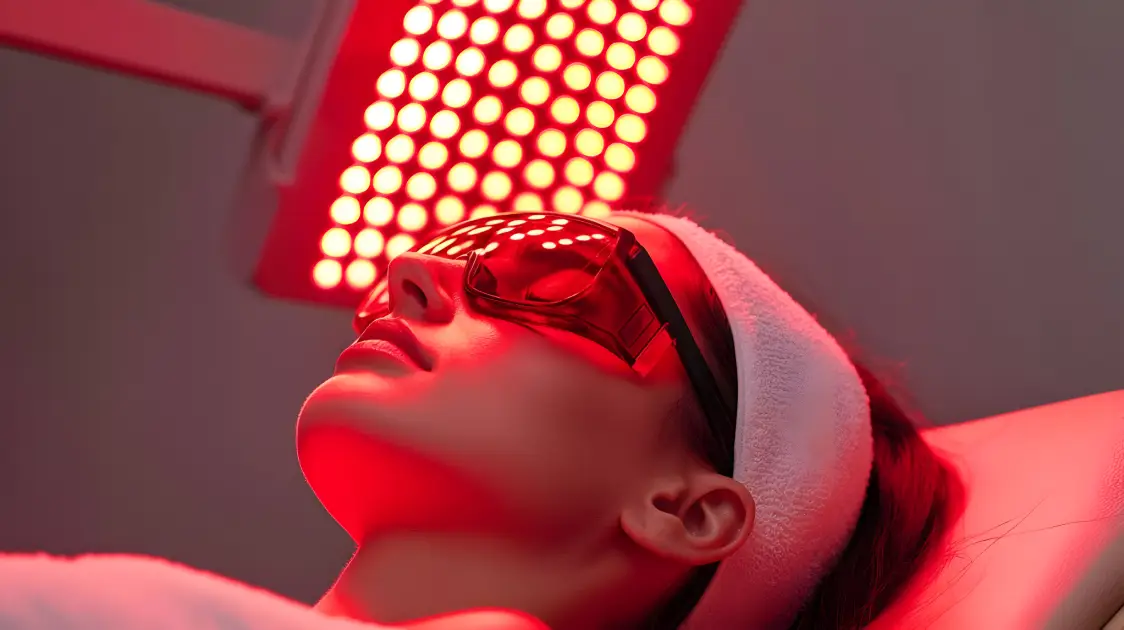
Table of Contents
Red light therapy takes a different approach to skin care by using targeted wavelengths of light rather than heat, needles, or resurfacing. Medical-grade systems deliver controlled red and near-infrared light to support cellular activity involved in skin health, inflammation, and recovery. For those considering red light therapy in Hood River, OR, knowing how the treatment works and what to expect can help set practical expectations before the first session.
Does medical-grade red light therapy hurt?
No, treatment is generally comfortable and may produce mild warmth while the light panels are in use.
What Makes Red Light Therapy “Medical-Grade”?
“Medical-grade” is commonly used to describe professional light therapy equipment and protocols, although the term itself does not represent one universal technical standard.
Professional systems are designed to deliver specific wavelengths at controlled intensities and treatment distances. Depending on the equipment, a system may use visible red light, near-infrared light, or both. Near-infrared wavelengths reach deeper than visible red light, which can make the combination useful when treatment goals extend beyond the skin’s surface.
The device is only part of the equation. Treatment duration, positioning, frequency, and the amount of light reaching the tissue also matter. This is why professional treatment is generally approached as a planned series of sessions rather than simply spending as much time as possible beneath a light panel.
How Red Light Therapy Works at the Cellular Level
Understanding how red light therapy works starts with photobiomodulation, the process in which specific wavelengths of light interact with cells and influence biological activity.
Red and near-infrared light can be absorbed by light-sensitive components within cells, including structures associated with mitochondrial activity. Mitochondria are responsible for producing much of the energy cells use to carry out normal functions. Exposure to an appropriate light dose may influence cellular signaling and processes connected with energy production, circulation, inflammation, and tissue repair.
This mechanism makes red light therapy different from treatments that create a controlled injury to prompt skin renewal. There is no intentional removal or resurfacing of tissue. Instead, the goal is to support cellular processes without causing significant trauma to the treatment area.
5 Medical-Grade Red Light Therapy Benefits
The medical-grade red light therapy benefits can vary according to the wavelengths used, treatment protocol, and reason for receiving therapy. Five potential applications are particularly relevant in aesthetic and wellness settings.
1. Supports Collagen Activity
Collagen contributes to the skin’s structure, firmness, and texture. Red light therapy may support cellular processes associated with collagen production, making it a useful option for people interested in maintaining smoother, healthier-looking skin.
2. Helps Calm Inflammation
Light therapy may help regulate inflammatory responses within treated tissues. This is one reason red light therapy for skin and inflammation may be incorporated after certain aesthetic procedures when appropriate.
3. Encourages Healthy Circulation
Photobiomodulation can influence local circulation. Healthy blood flow helps deliver oxygen and nutrients to tissues, which are necessary components of normal cellular function and repair.
4. Supports Post-Treatment Skin Recovery
Some aesthetic procedures intentionally trigger a renewal response. Red light therapy may complement that process by supporting the skin during recovery without introducing another aggressive treatment.
5. Provides a Gentle Treatment Option
Red light therapy requires no injections, incisions, or skin removal. Most sessions involve little physical discomfort, making it an accessible option for people who prefer treatments without a lengthy interruption to their routine.
What Happens During the Red Light Therapy Treatment Process?
The red light therapy treatment process is relatively straightforward, although exact protocols vary depending on the professional system being used.
Before treatment, your provider may review your goals, health history, medications, recent aesthetic procedures, and other factors that could affect your suitability for light therapy. The treatment area is then positioned at the appropriate distance from the LED panels.
During the session, the panels expose the area to red and near-infrared wavelengths for a predetermined amount of time. You may notice mild warmth from the equipment, but the experience should not resemble the heat or discomfort associated with more intensive energy-based procedures.
Eye protection may be recommended depending on the device, treatment area, and manufacturer’s instructions. Once the session ends, there is generally no need for a prolonged post-treatment period at the practice.
What Does Red Light Therapy Recovery Look Like?
For most people, red light therapy recovery is minimal because the treatment does not break the skin or intentionally damage its surface.
Normal daily activities can typically be resumed after a standalone session. Some people may notice temporary warmth or mild redness, but significant peeling, swelling, or bruising is not generally expected from red light therapy itself.
The situation can be different when light therapy is paired with another aesthetic procedure. In that case, the recovery instructions for the primary treatment still apply. Someone receiving red light therapy after microneedling, for instance, should continue following the aftercare recommendations provided for their microneedling procedure.
What to Consider Before Your First Session
Red light therapy is gentle, but a professional consultation still matters. Your provider should know about medications, health conditions, light sensitivity, recent procedures, and other treatments you are currently receiving.
It is also worth asking about the equipment being used. Wavelengths, intensity, treatment distance, session length, and recommended frequency can differ among devices. A professional protocol should account for these variables rather than assuming that longer or stronger exposure automatically produces better results.
Expectations matter as well. Red light therapy may support skin quality, inflammation management, and recovery, but it is not intended to replace medical treatment or produce the same changes as injectables, resurfacing procedures, or surgery.
Medical-Grade Red Light Therapy at Vibe Aesthetics
Vibe Aesthetics provides red light therapy in Hood River, OR, for patients interested in supporting skin vitality, cellular renewal, and recovery through a gentle, non-invasive approach.
Treatments use Platinum LED light panels that combine red and near-infrared wavelengths. The light reaches beneath the skin’s surface to support processes associated with collagen production, circulation, and healing.
The service can be used as a standalone wellness treatment or incorporated into an aesthetic care plan. For example, our team may pair red light therapy with microneedling or use it after a chemical peel when appropriate to help support skin recovery and calm post-treatment inflammation.
Restore skin vitality and promote healing with gentle red light. Call Vibe Aesthetics in Hood River, OR to schedule your session today!
Frequently Asked Questions
How soon can I return to normal activities?
Most people can return to their usual activities immediately after a standalone red light therapy session because the treatment does not break the skin.
Can red light therapy be combined with other aesthetic treatments?
Yes, red light therapy may be used alongside treatments such as microneedling or after a chemical peel when your provider determines that the combination is appropriate.
Is red light therapy suitable for every skin type?
Red light therapy does not rely on skin resurfacing or UV exposure and can generally be used across all skin types, although individual suitability should still be assessed before treatment.